

A custodial wallet is a crypto wallet where a third party holds the private keys on your behalf, like an exchange or broker.
Think of it like keeping money in a bank account. You can usually log in and use your funds, but the bank controls the underlying access and rules.
Most centralized exchanges provide custodial wallets by default. When you buy crypto on an exchange, the exchange often stores it for you and manages the keys. That can be convenient:
- Password resets are possible.
- Customer support can help.
- You do not need to manage backups.
But it also comes with trade-offs:
- You rely on the company’s security.
- Withdrawals can be limited or paused.
- Accounts can be frozen.
- If the company is hacked or mismanaged, users can lose funds.
Custodial does not automatically mean “bad.” It is a spectrum of risk and convenience. Many people use custodial wallets for trading and non-custodial wallets for long-term storage.
Why this matters for your security
In crypto, “not your keys, not your coins” points to a real risk: custody changes who can ultimately control your funds. Understanding custody helps you decide what belongs on an exchange and what should move to self-custody.
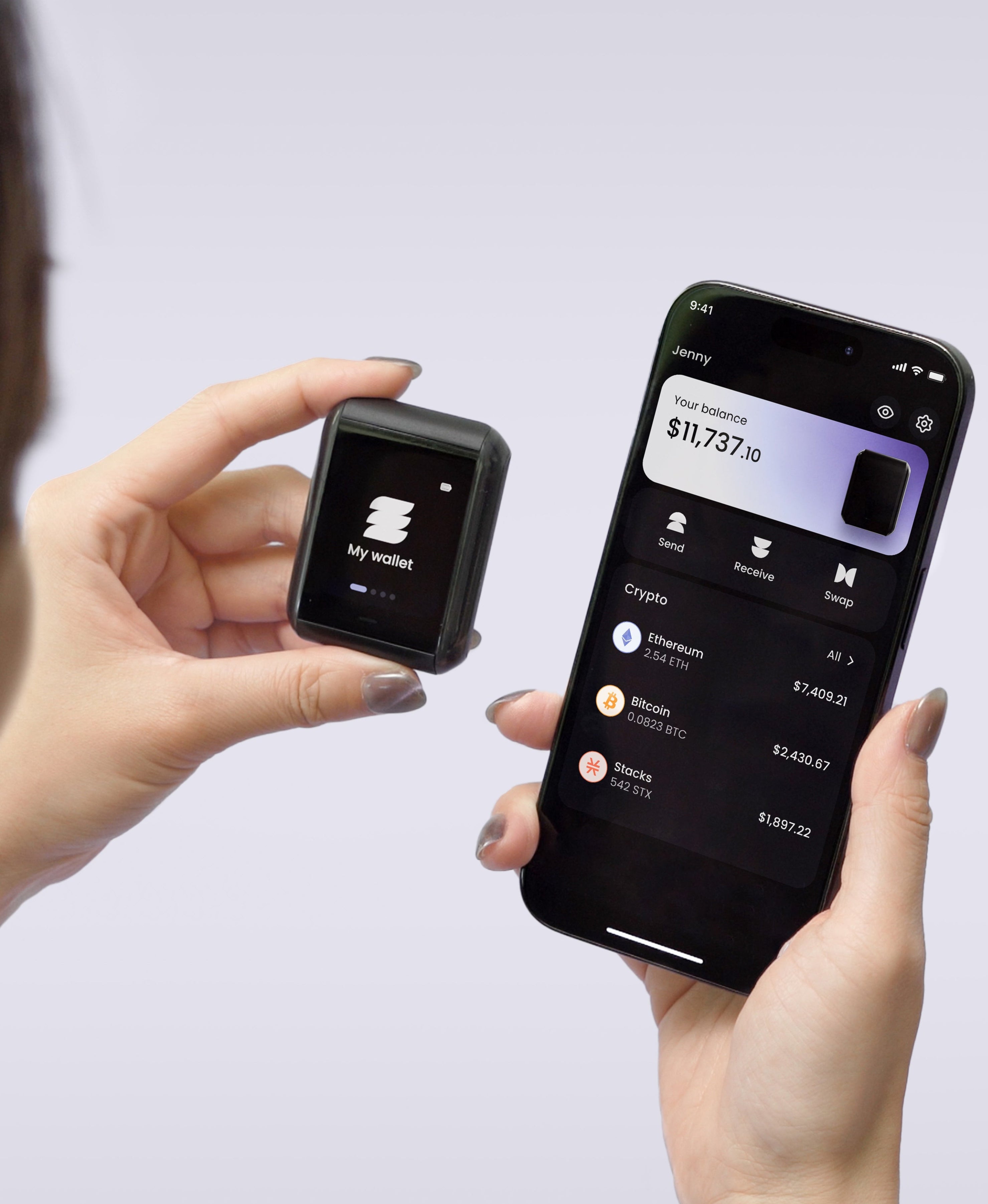
Ryder One is built for self-custody, so you hold the keys in secure hardware instead of leaving them with an exchange.
We make self-custody simple. Set up in 60 seconds for a lifetime of stress-free crypto security.
Related: What is a non-custodial wallet · What is self-custody · What is a crypto exchange · What is a hardware wallet


Share: