

A crypto exchange is a service that lets you buy, sell, and trade cryptocurrencies, often by holding your funds in a custodial account.
Think of it like a brokerage for crypto. You can usually deposit money, trade between assets, and withdraw when you want. The exchange makes trading easy, but it also becomes a “middle layer” between you and your assets.
There are two common types:
- Centralized exchanges (CEXs): Companies that run the platform, hold user funds by default, and manage logins and support.
- Decentralized exchanges (DEXs): Apps that let you trade from your own wallet without handing assets to a company.
Most beginners start on a centralized exchange because it feels familiar. But this convenience comes with trade-offs:
- If the exchange is compromised, they hold your funds, therefore, your funds can disappear in an instant.
- Exchanges can pause withdrawals during incidents.
- You rely on the exchange’s security and internal controls.
That is why you often hear the phrase “not your keys, not your coins.” When assets sit on an exchange, the exchange controls the private keys.
Why this matters for your security
Exchanges are useful on-ramp and trading tools, but they add counterparty risk. Understanding how exchanges work helps you decide what to keep on-platform versus what should move to self-custody.
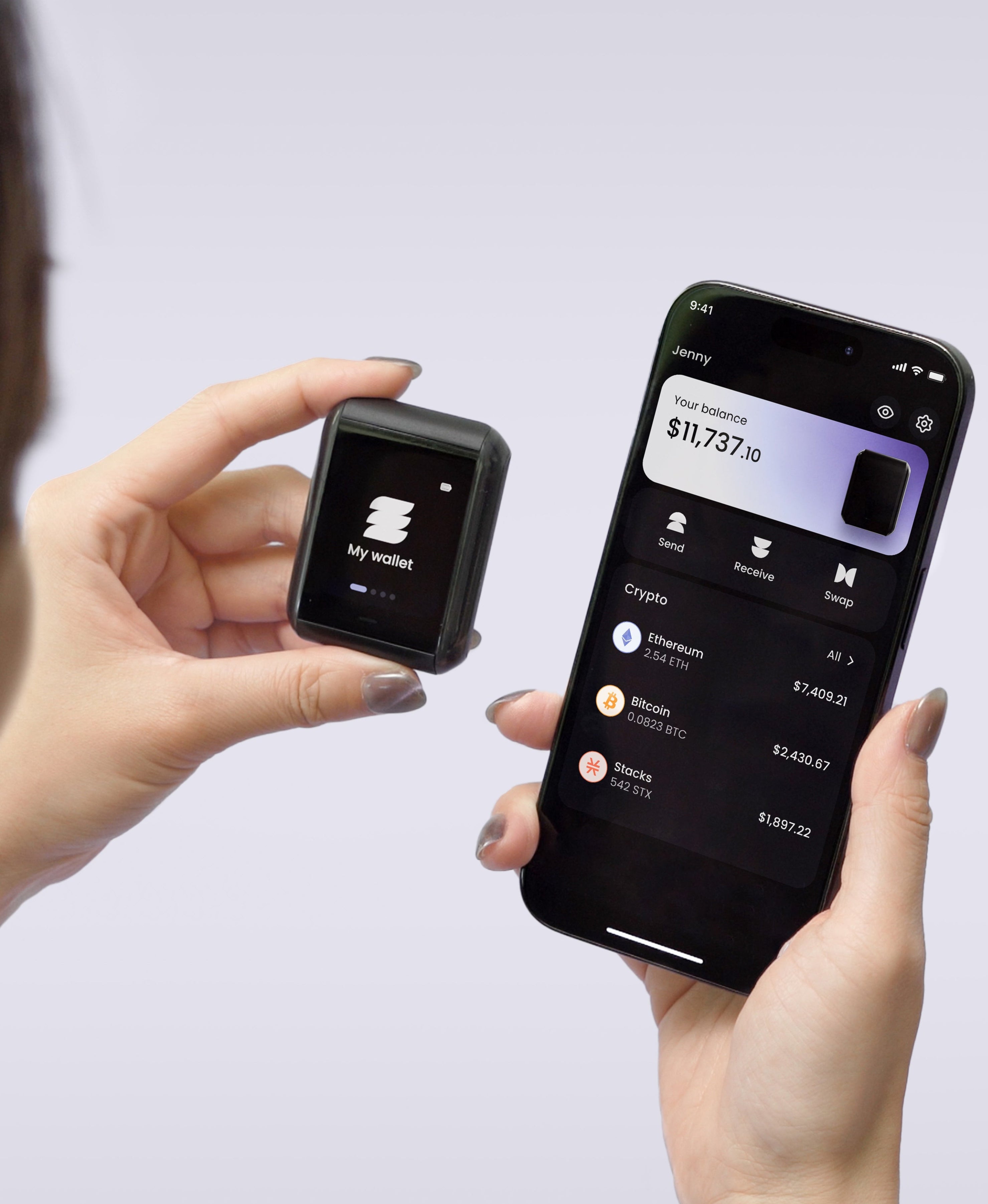
Ryder One is built for self-custody, so after you buy on an exchange you can store long-term holdings with keys kept offline in secure hardware.
We make self-custody simple. Set up in 60 seconds for a lifetime of stress-free crypto security.
Related: What is a custodial wallet · What is a non-custodial wallet · What is self-custody · What is a private key


Share: