

Self-custody means you control your crypto private keys yourself, instead of trusting an exchange or third party to hold them.
In plain terms, self-custody is ownership. If you hold the keys, you decide when and where funds move. If someone else holds the keys, they can block access, get hacked, or make mistakes that affect you.
Self-custody is not just a concept. It changes your responsibilities:
- You must have a secure place to store your keys.
- You must have a recovery plan if a device is lost.
- You must verify what you sign, because blockchain transactions cannot be reversed.
People choose self-custody because it reduces counterparty risk. It also aligns with the original promise of crypto: financial control without asking permission.
But self-custody should be practical. The best security model is the one you will actually follow consistently.
Why this matters for your security
If you do not control the keys, you do not fully control the funds. Self-custody reduces dependency on platforms and makes your security posture more direct and predictable.
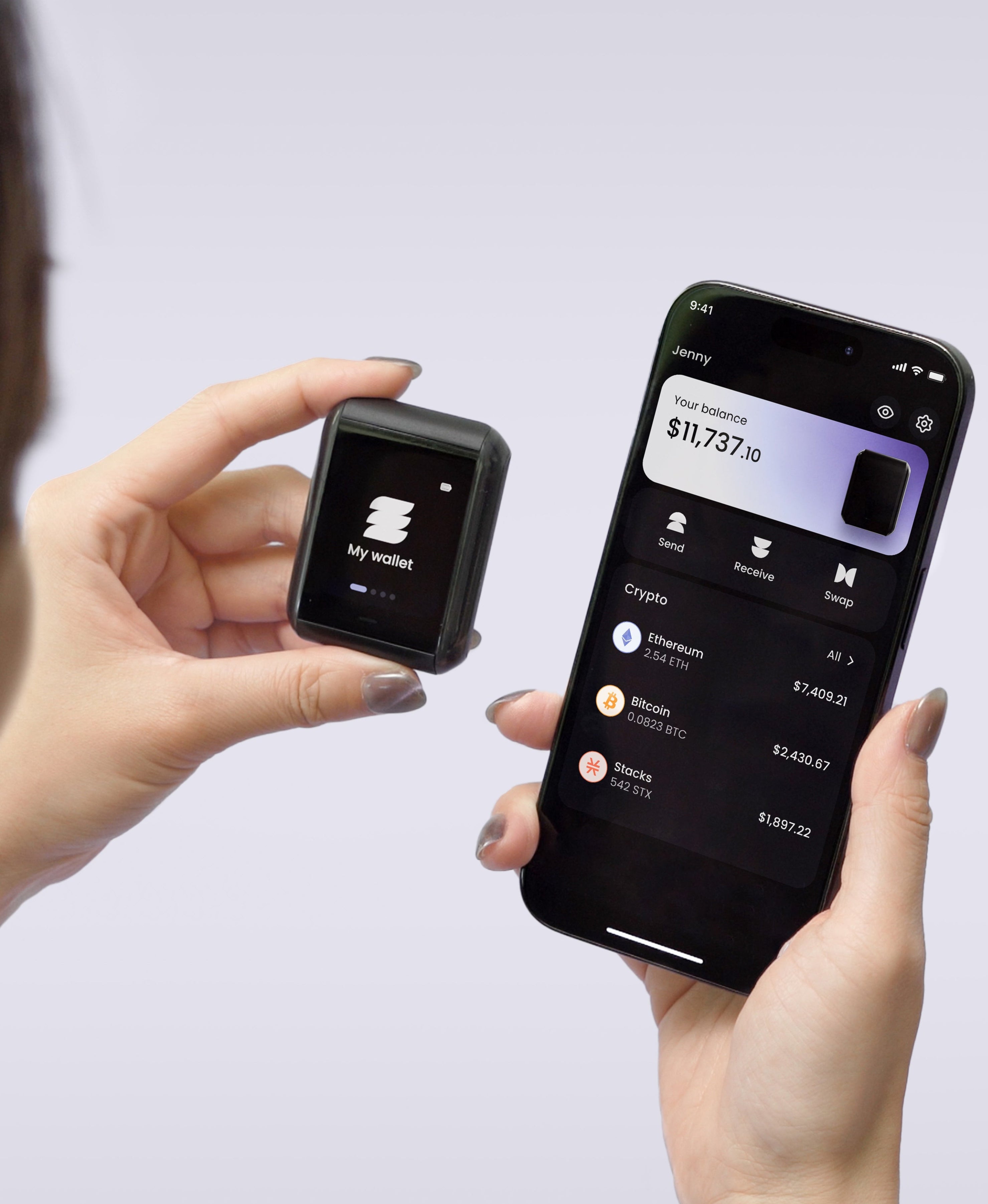
Ryder One is built to make self-custody feel simple by keeping keys offline and making recovery less fragile than a single seed phrase.
Set it up in 60 seconds for a lifetime of stress-free crypto security.
Related: What is a private key · What is a seed phrase · What is a hardware wallet · What is a custodial wallet


Share: