

A non-custodial wallet is a crypto wallet where you control the private keys, which means you control the funds.
A simple analogy is cash in your own wallet versus cash in a bank account. If you hold the keys, you do not need permission to access your money.
With a non-custodial wallet, you can:
- Create and manage your own addresses
- Sign transactions yourself
- Move funds without asking an intermediary
But you also take on more responsibility:
- You need a secure backup and recovery plan.
- If you approve a malicious transaction, there is usually no undo.
- If you lose your recovery method, you can lose access permanently.
Non-custodial wallets come in different forms:
- Software wallets (mobile or browser apps)
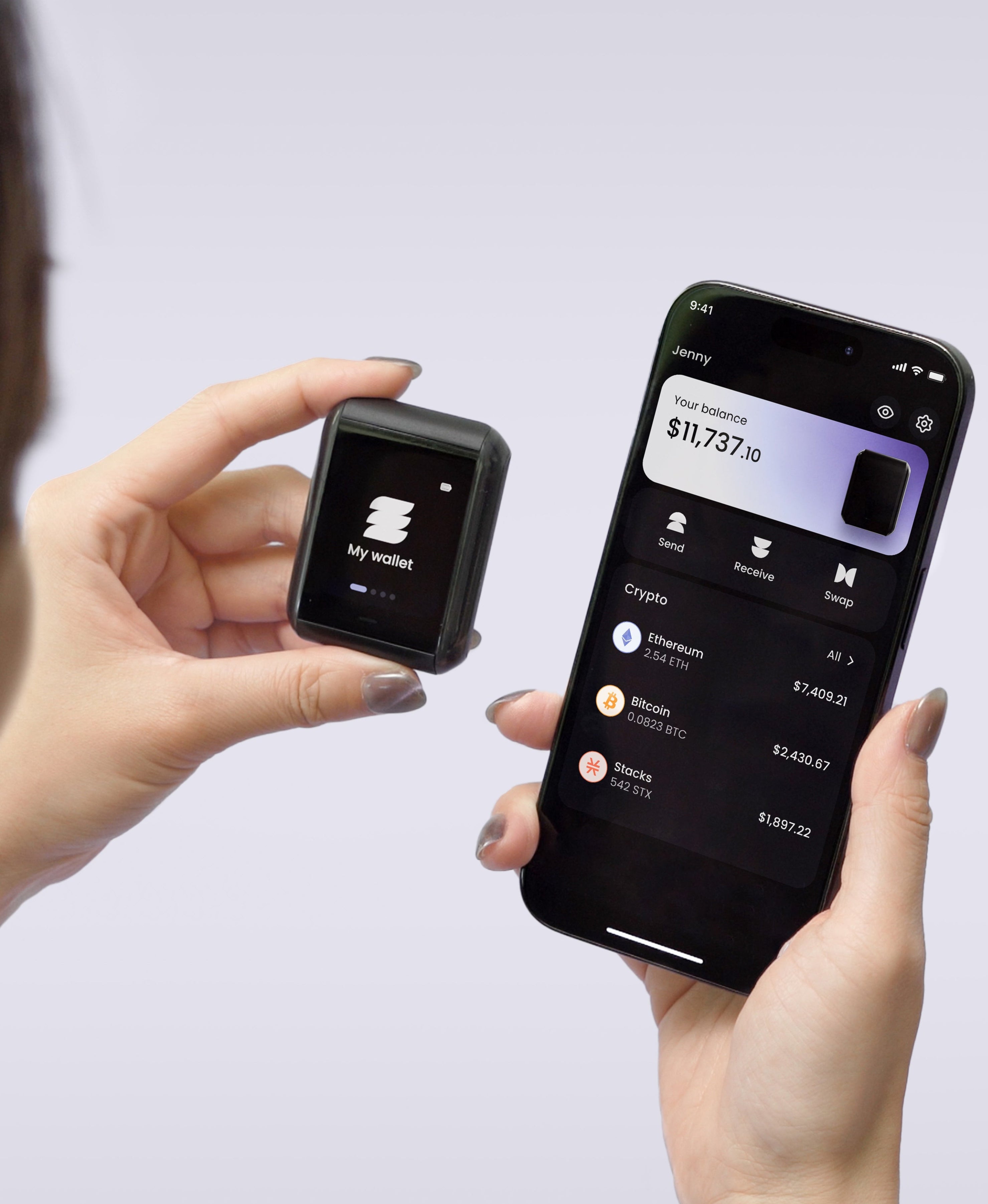
- Hardware wallets (dedicated devices that keep keys offline)
Many people start with a software wallet for convenience and later move to hardware for stronger security.
Non-custodial does not automatically mean “safe.” Safety depends on how your keys are stored, how you verify transactions, and how you protect recovery.
Why this matters for your security
Self-custody is the main promise of crypto. A non-custodial wallet is what makes that possible, but only if you use it with good security habits and a recovery setup that is not fragile.
Ryder One is a non-custodial hardware wallet designed to make self-custody and recovery feel simple to follow.
We make self-custody simple. Set up in 60 seconds for a lifetime of stress-free crypto security.
Related: What is a custodial wallet · What is self-custody · What is a hardware wallet · What is a private key


Share: