


The Lightning Network sits at roughly 17,000 public nodes, 40,000 channels, and around 5,000 BTC of public capacity as of early 2026. Total capacity including private channels is estimated above 12,000 BTC, meaning roughly $760 million in liquidity locked into Lightning at current Bitcoin prices.
For a payment network that's been live since 2018, that's substantial infrastructure. The number of retail Bitcoin holders who use Lightning meaningfully is much smaller. Most holders know it exists; most have never opened a channel; many couldn't articulate what Lightning would do for them if they did.
This piece walks through what Lightning is in plain terms, where the infrastructure sits today, why retail adoption has been slow, and what self-custody holders should think about regarding Lightning in 2026.
What Lightning is
Lightning is a Layer 2 payment network built on top of Bitcoin. Two parties open a "channel" by locking up some Bitcoin in a shared address on the base chain. Once the channel is open, the two parties can exchange Bitcoin between themselves instantly and at extremely low cost by passing signed messages back and forth. None of these transactions hit the base chain. When either party wants to close the channel, the final balance is settled on-chain in a single transaction.
The network effect comes from multi-hop routing. If you have a channel with Alice, and Alice has a channel with Bob, you can route a payment to Bob through Alice's channel. With 40,000+ channels in the public network, most paths between any two users have one or two hops, with sub-second routing.
For payments, this gives Bitcoin properties it doesn't have on the base layer: near-instant confirmation, fees measured in single-digit sats (fractions of a cent), and effectively unlimited throughput (the bottleneck is channel capacity, not block size).
Why retail adoption is slow
Three barriers.
- Channel management. Opening, balancing, and closing channels requires understanding the model. Inbound liquidity (your channel partner having sats to send you) is a real consideration. Outbound liquidity (you having sats to send) is another. Most retail holders don't want to think about this.
- Custodial Lightning is the dominant retail entry point. Cash App Lightning, Wallet of Satoshi, Strike, and others let users send and receive Lightning payments without running a node or managing channels. These services hold the keys and the channels on the user's behalf. Adoption through these services has been substantial, though the user isn't running self-custody Lightning, they're running a custodial Bitcoin account that happens to use Lightning internally.
- Hardware wallet support is limited. Most hardware wallets don't natively run a Lightning node. The model usually involves a separate online "hot" wallet running the channels with a small balance, with cold storage holding the larger position that periodically refills the hot wallet via on-chain transactions.
What Lightning does well
For specific use cases, Lightning is the clear best option:
Micropayments. Sending 1,000 sats (about 60 cents) is uneconomical on the base chain because fees would exceed the payment amount. On Lightning, it's nearly free.
Tipping content creators. Lightning addresses (lightning:address@domain.com) let creators receive small donations without a custodial service taking a cut.
Cross-border remittances. Lightning-to-Lightning transfers settle in seconds regardless of geography. The user-side experience is faster and cheaper than traditional wire transfers.
Daily commerce. Some merchants accept Lightning natively. The transaction completes in under a second.
Where the structural tension sits
Lightning's promise is Bitcoin as money for everyday transactions. The retail entry point is mostly custodial wallets that aren't self-custody. For self-custody-minded holders, the cleanest setup involves both a hardware wallet (cold storage of the long-term Bitcoin position) and a self-hosted Lightning node (handles the channels).
Self-hosted nodes have come down in cost and complexity over the past three years. Plug-and-play hardware (Umbrel, Start9, RaspiBlitz) sits between $200 and $500 and runs the node software with minimal user intervention. The node connects to your hardware wallet for refilling channels, and the hardware wallet stores the long-term BTC offline.
For the right kind of holder (technically curious, multi-thousand-dollar position, interest in spending Bitcoin), this setup is achievable in a weekend. For most retail holders, the setup is more than they want.
Where Ryder One fits
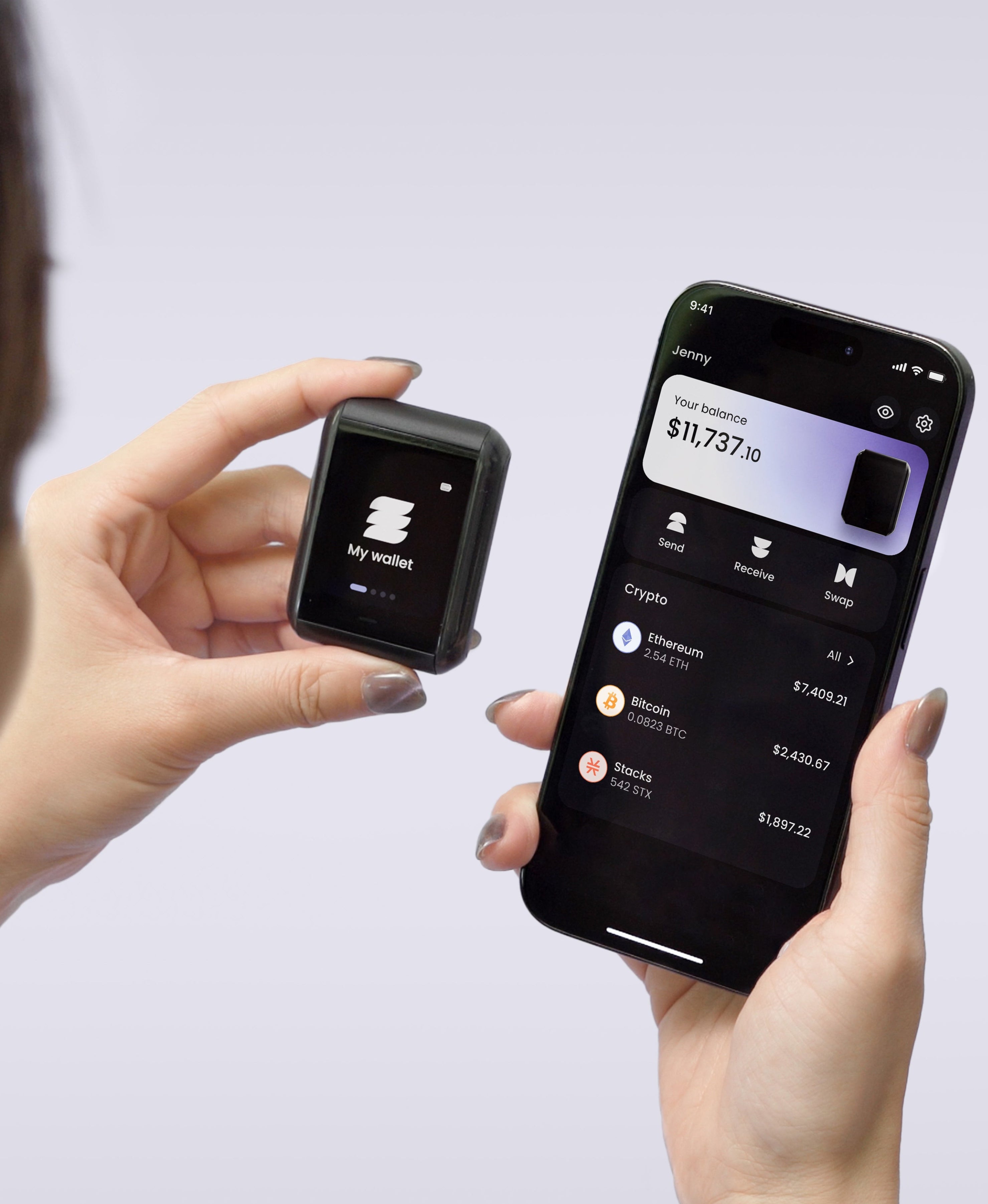
Ryder One handles the cold storage side cleanly: EAL6+ Infineon SLC38 secure element holds the BTC offline, with on-device verification of every transaction.
TapSafe Recovery handles the backup side: 50% on a Recovery Tag, 50% in your phone's iCloud or Google Drive backup, optional 25% per Recovery Contact.
The bottom line
The Lightning Network has substantial infrastructure (17,000 nodes, 40,000 channels, 12,000+ BTC of total capacity) and most retail Bitcoin holders still don't use it. The barriers are operational rather than philosophical. For holders who want Bitcoin as money and not just as an asset, learning Lightning is worth the weekend. For everyone else, the base chain plus a hardware wallet handles the use case that matters most: holding the position safely through cycles.
Hold Bitcoin first. Spend it later. Ryder One keeps your Bitcoin offline on an EAL6+ secure element with TapSafe Recovery as the backup. When you're ready to use Lightning, the cold position is already in place. See how it works.


Share: