

If you're wondering how to sell crypto from a cold wallet, the short answer is that you send the coins back to an exchange you trust, approve that transfer on the device, and sell there once the deposit lands. Some wallet apps also connect you to a sell partner that pays out to your bank, which skips the exchange account but follows the same idea: the coins leave your wallet in a transaction you sign yourself. Selling stays fully possible after you move to self-custody, and the main change is that a mistake on the way out is yours to prevent, because nobody can reverse a confirmed transfer.
Two ways to cash out
Most people use the exchange route because they already have an account with a linked bank. You open the exchange, ask it for a deposit address for the exact coin and network you hold, send from your cold wallet to that address, wait for the deposit to be credited, then sell and withdraw dollars as you normally would.
The second route runs through partners built into some wallet apps. Ledger's guide to selling crypto with Ledger names Coinify and MoonPay as its off-ramp partners, pays out to the bank details you enter, and has you confirm the final transaction on the device. Trezor's page on selling in Trezor Suite works the same way through providers it shows in the app, and it notes that most of them ask for identity verification before paying out. Either way, a third party still handles the sale, so the choice comes down to which account you'd rather verify and whose fees look better that day.
| Route | Who holds your coins during the sale | What you need | Usual payout |
|---|---|---|---|
| Send back to an exchange | The exchange, from deposit until you withdraw | An existing verified exchange account | Bank withdrawal from the exchange |
| Sell partner inside a wallet app | The sell provider, briefly | Identity check with that provider | Bank transfer or card, depending on provider and country |
How to sell crypto from a cold wallet, step by step
The exchange route takes four steps, and the second one is where most losses happen.
- Get a deposit address from the exchange for this sale. Pick the coin, then pick the network carefully. Kraken's help center on multiple deposit networks says a deposit sent on the wrong network won't be credited, and its recovery page lists manual recovery fees that reach 500 USD for the hardest cases and says not every misdirected deposit can be recovered.
- Paste the address into your wallet app and check it on the device. Compare a chunk from the middle of the address as well as the start and end, then approve only when the device screen shows the address and amount you expect.
- Send a small test first. A test of a few dollars costs one extra network fee and proves the address, network and any memo field are right before the full amount moves.
- Wait for the credit, then sell and withdraw. Exchanges wait for a number of network confirmations before crediting a deposit, so a Bitcoin transfer can take longer than you're used to from internal moves on the exchange.
Never copy the exchange address from your wallet's transaction history. That habit is what address poisoning exploits: an attacker sends you a tiny transfer from an address that matches the first and last characters of one you've used, and waits for you to paste it later. Halborn's write-up of a 68 million USD address poisoning theft in May 2024 describes exactly that pattern, at a cost to the attacker of well under a dollar in gas.
What changes for your taxes when you sell
Moving coins between wallets you own isn't a sale, and the IRS says so in FAQ 81, with an exception for any crypto spent on the network fee. The sale itself is where the gain or loss is counted, and FAQ 52 sets it as the difference between what you received and your basis in the coins you sold.
The part people miss shows up on the paperwork. Under the IRS instructions for Form 1099-DA, coins transferred into an exchange are treated as noncovered, which means the exchange reports what you sold them for and isn't required to report what you paid. When you sell coins that came back from your cold wallet, expect the form to show proceeds with a blank or estimated basis, and keep your own purchase records so the gain you report is the true one. We go through the withdrawal side of this in what moving coins triggers for tax, and it's worth paying a tax professional if your records have gaps.
Mistakes that cost money on the way out
Most losses on a sale come from slips rather than hacks, and each one has a simple guard:
- Wrong network. Choose the same network on both sides, and if the exchange offers several, pick the one your wallet sent from.
- Missing memo or tag. Coins such as XRP and XLM need a destination tag or memo, and Kraken's deposit guide sends you to support if it's missing, so the deposit sits uncredited until someone fixes it by hand.
- Selling the whole stack at once. Splitting a large sale into a test and one or two transfers limits what a bad address could cost.
- Reusing an old deposit address. Deposit addresses can expire, and Kraken says a valid deposit to an expired one may still be credited minus a fee, so ask for a new address each time you sell.
Where Ryder fits
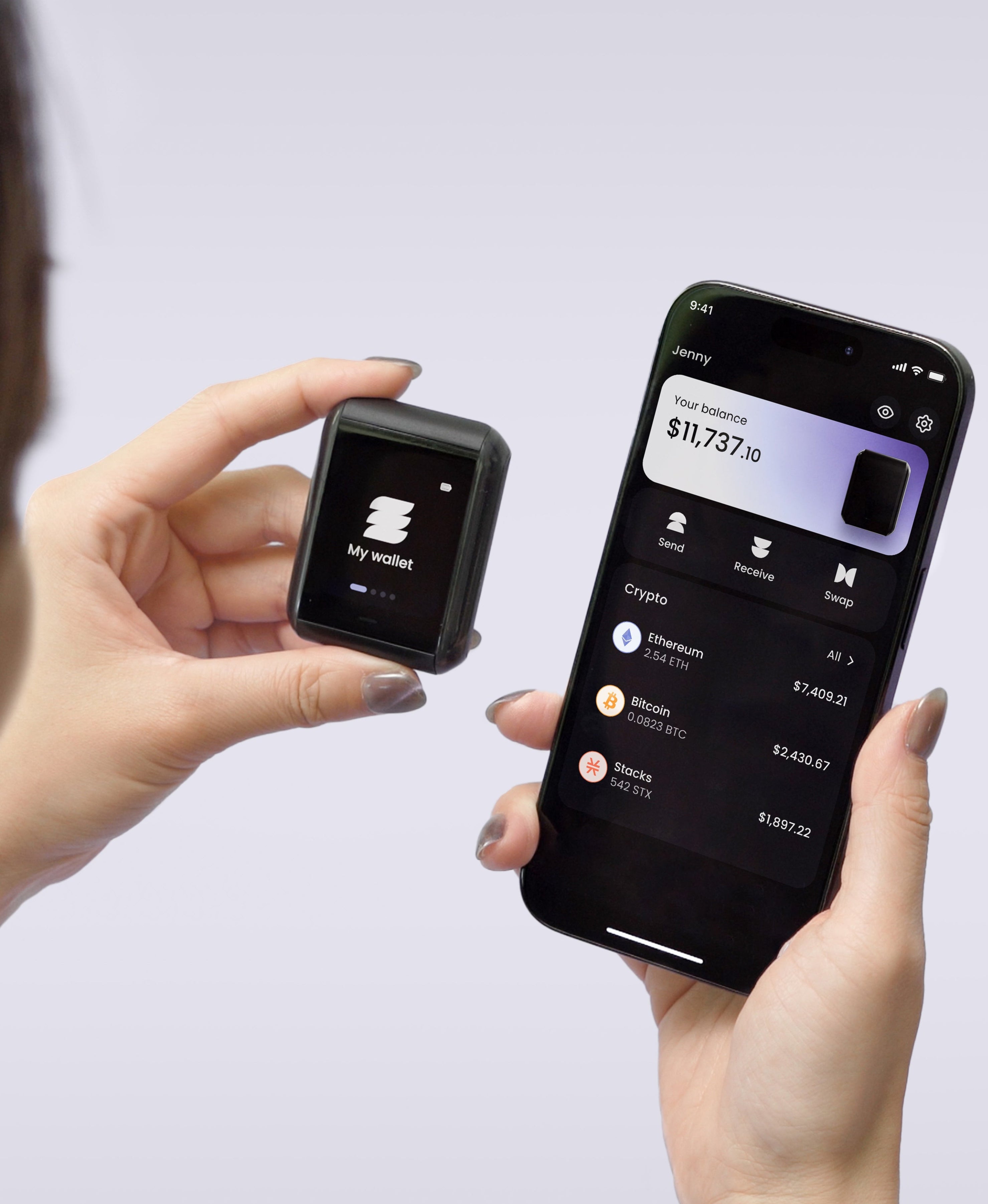
The step that protects you most is checking the address on a screen that malware on your phone or computer can't rewrite. On a Ryder One, every transaction is shown on the device's own display before you approve it, and you can save the exchange deposit addresses you use often in an on-device address book that you check on-screen before each send.
If you're holding off on a first hardware wallet because you're unsure you could get your money back out, the route above is the same for every brand, and it's worth reading how to move crypto from Coinbase to a cold wallet for the trip in. When you're ready to compare devices, the Ryder One product page lists what's in the box and the current price (the Starter Combo was 149 USD when we checked on 12 October 2026).


Share: