

A free NFT mint costs nothing to join, but it almost always asks you to connect a wallet and sign something, and that signature is where the risk sits. Most whitelist signatures only prove you own an address. Some look almost the same on screen and instead authorize a contract to move your tokens. The safest way to chase a free mint is to use a spare wallet holding nothing you'd miss, and to keep your long-term coins on a device that never connects to mint sites at all.
We make a hardware wallet, so we look at this from the signing side. This isn't a recommendation for or against any NFT project.
Why this came up this week
Squeekchain, a joke-themed project that says its chain is "mined" by a hamster on a sensor wheel, has been running a free pre-mint whitelist called Genesis since late October. According to a detailed write-up from a participant, joining means signing a message with your wallet and linking an X account, with no deposit or transaction required, while the actual NFT mint has no confirmed date or price. Plans for the mint have shifted in public posts on X, the team is anonymous, and the same write-up warns that any token trading as SQUEEK or SQK before the team announces a contract is an impostor.
Nothing here suggests Squeekchain's own signature step is malicious. The pattern is what matters: a free, hyped mint with a fast-moving crowd is the setting where fake mint sites and look-alike signature requests do best.
Signing a message versus signing a transaction
Wallets ask you to sign two broad kinds of things. A transaction changes something on the blockchain and usually costs a network fee, which makes people pay attention. A message signature is free and happens off-chain, so it feels harmless, and for a plain "prove you own this address" login it is.
The trouble is that some off-chain signatures are permissions. Ethereum's EIP-2612 permit standard lets a token holder approve spending with a signed message instead of an on-chain transaction, and marketplaces use signed orders to list NFTs for sale. A drainer site can dress one of these up as a whitelist check, and once it has your signature it can submit the approval or the listing itself, then move the assets. We walked through how that ends in our guide to wallet drainers in 2026, and how to clean up old permissions in revoking token approvals.
How to join a free mint without risking your savings
Set up a separate wallet just for mints and airdrops, fund it with only what the mint needs, and treat anything in it as money you could lose. Before you sign, read what your wallet shows. A login message is usually readable text with the site's name and a random string, while words like "permit," "approve," "setApprovalForAll," a spender address or a token amount mean you're granting access to something.
Get links only from the project's official account, since fake mint pages spread fastest in the first hours of a hyped drop. If a site asks you to sign again and again, or a "free" mint suddenly wants a transaction with a large value attached, close the tab. After the mint, revoke any approvals the burner wallet granted.
Where Ryder One fits
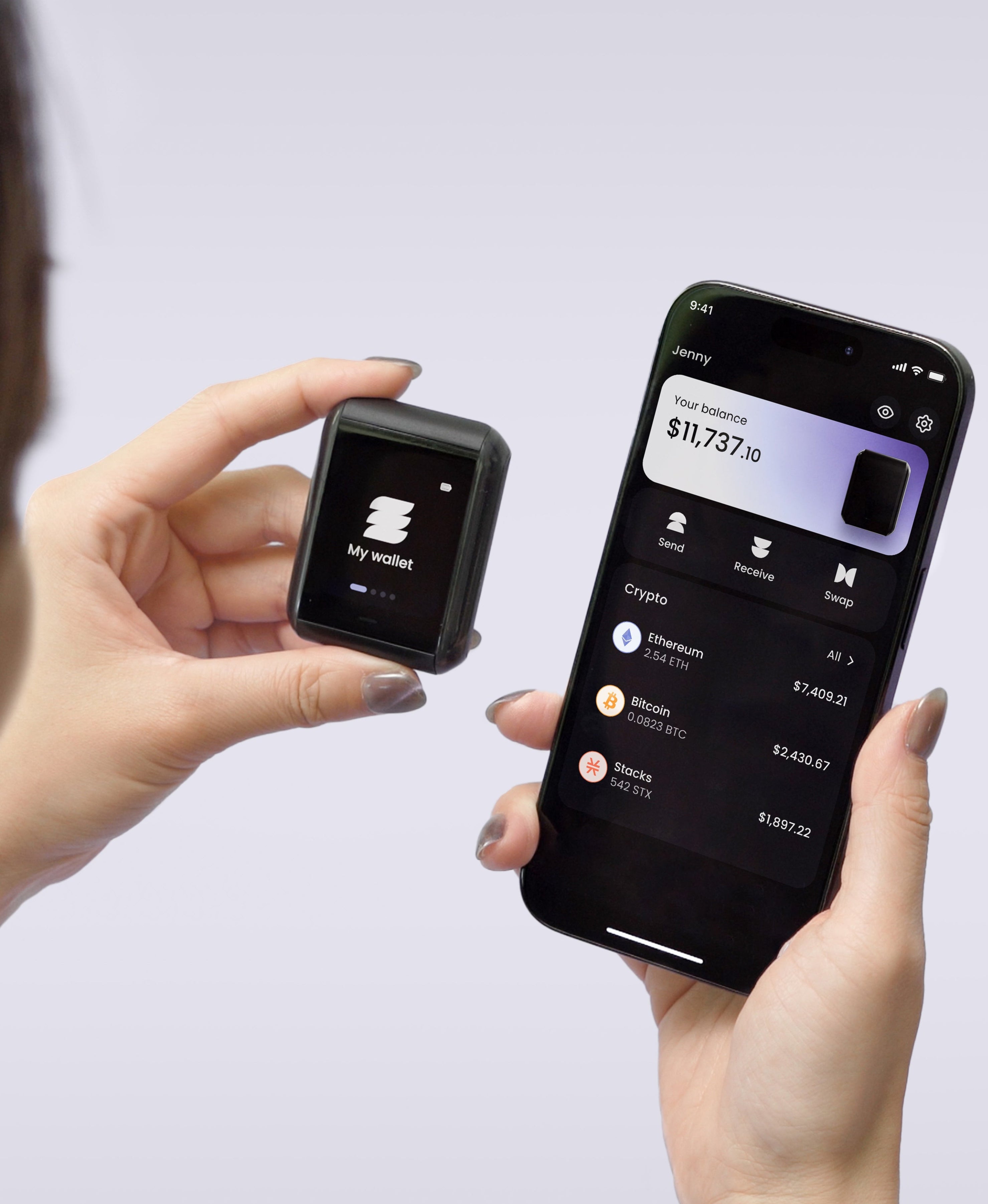
Ryder One is built for the coins you don't want anywhere near a mint page. It talks to your phone over NFC only and doesn't connect to browser extensions or dapp sites, so a mint site has no path to ask it for a signature. When you do send from it, the amount and recipient show on its screen before you approve. That makes it a poor tool for chasing mints, and a good place for long-term holdings while a burner wallet does the risky work. If you want that split for your own coins, take a look at Ryder One.


Share: