

A coin is the native currency of its own blockchain, while a token is a crypto asset that runs on top of another blockchain.
An easy analogy is real estate: a coin is like owning land (the base layer), and a token is like building a house on that land (it depends on the land to exist).
Coins are tied directly to a blockchain's core rules. For example, Bitcoin (BTC) is the coin of the Bitcoin network, and Ether (ETH) is the coin of Ethereum. Coins are usually used to pay network fees and to incentivize the people who secure the network.
Tokens, on the other hand, are created using smart contracts on an existing blockchain. Most tokens you see day to day are built on networks like Ethereum, Solana, or Base. Tokens can represent almost anything: governance rights, access to a product, stablecoins that track the dollar, or even real-world assets.
This distinction matters in practice:
- Fees: Network fees are typically paid in the coin (like ETH for Ethereum).
- Security: Tokens inherit the security of the chain they run on.
- Compatibility: Tokens follow standards (like ERC-20), which makes them easier to integrate across apps.
People sometimes use "coin" casually to mean any crypto. In glossary terms, "coin" usually means the asset that is native to its own chain.
Why this matters for your security
When you partake in self-custody, understanding whether you hold a coin or a token helps you avoid common mistakes, like sending an asset to an incompatible network. It also helps you verify the correct chain before approving transactions.
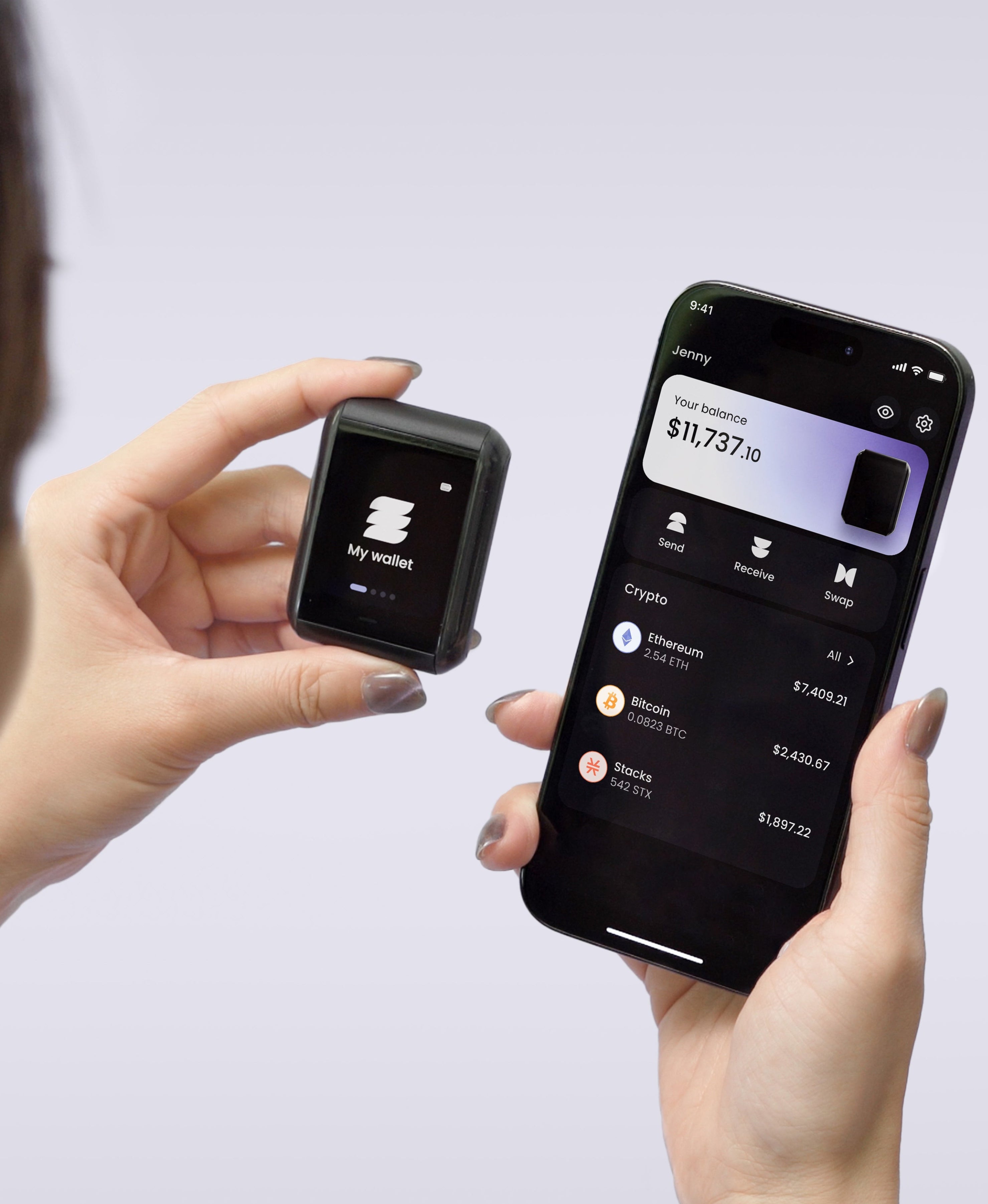
Ryder One's on-device verification helps you double-check what you are approving before you sign.
We make self-custody simple. Set up in 60 seconds for a lifetime of stress-free crypto security.
Related: What is a crypto exchange · What is a hot wallet · What is a cold wallet · What is self-custody



Share: