

On July 23, 2026, BitMEX announced it was closing after 11 years. Three days later, BitMart followed. AscendEX had already announced its own closure earlier in July, citing MiCA regulation, market factors, and financial operational pressure. Three exchanges gone within two weeks.
By late July 2026, almost 100 crypto projects have shut down, filed for bankruptcy, or permanently taken offline, one of the largest waves of failed crypto projects in recent times. The closures span exchanges, wallets, DeFi protocols, and infrastructure tools.
The headline names are BitMEX and BitMart, but they are part of something much larger. If your crypto is sitting on an exchange right now, this is the week to pay attention.
What Happened at BitMEX and BitMart
BitMEX will shut down its crypto trading platform on September 23, 2026, closing an 11-year chapter for one of the market's oldest derivatives exchanges. The announcement halted new account registrations immediately and requested users close open positions and withdraw assets before the closure date.
BitMEX launched in 2014 and became closely associated with the growth of the crypto derivatives market, gaining widespread recognition for its perpetual swap contracts and high-leverage trading model. It operated for over a decade without losing customer funds to hacks, which makes the closure more striking, not less. The business simply stopped being viable.
BitMart's story is messier. BitMart claimed more than 13 million users across 180 countries when it announced its shutdown on July 26, 2026. New registrations and deposits were halted immediately, all trading services will end on August 26, and the platform will fully cease operations on January 31, 2027.
Something unusual happened at BitMart when its own global CEO learned about the exchange's shutdown the same way its users did: by reading the public announcement. The CEO was reportedly fired the day before without prior knowledge of the decision.
Blockchain analytics showed only a trickle of funds leaving the exchange in the hours after the announcement, far below expectations for a major off-ramp event. BitMart warned that withdrawal requests may undergo extended checks including identity verification, device and IP checks, source of funds requests, and sanctions screening. Users who assumed withdrawals would be instant found out otherwise.
In December 2021, BitMart suffered one of the most damaging hot wallet breaches of that cycle, losing approximately $196 million across its Ethereum and Binance Smart Chain wallets. The reimbursement obligation from that hack, layered on top of a shrinking user base, is the kind of drag that doesn't appear on a shutdown notice but likely shows up in the decision to file one.
When the BitMart news broke, Binance co-founder Changpeng Zhao responded publicly. CZ warned that buying smaller exchanges carries hidden risk from legacy security flaws left by prior teams, and told users to move to self-custody if they know how to keep their seed phrase safe, or to use the largest exchange with staying power.
Tough times (again)! At least, it appears to be an orderly wind down where users can withdraw their assets.
— CZ 🔶 BNB (@cz_binance) July 26, 2026
Pro tip:
Self custody if you know how to keep your seedphrase safe (@trustwallet)
Or use the largest exchange (@binance) with staying power. https://t.co/nLXYMUXctm
The founder of the world's largest exchange is telling you to get your crypto off mid-tier exchanges. The caveat, "if you know how to keep your seed phrase safe," is where most people get stuck. Seed phrase management is exactly the barrier that stops people from moving to self-custody, and it's a problem TapSafe was built to remove.
The Pattern Nobody Should Ignore
Analysts at CryptoQuant described the two closures as part of a broader consolidation trend in the exchange sector, where smaller platforms face increasing pressure from regulatory requirements, higher compliance costs, and competition from institutional-grade venues.
This is not a new story. FTX collapsed in 2022, taking $8 billion in customer funds with it. Celsius, Voyager, and BlockFi followed. The names change but the mechanism stays the same: your crypto sits on a platform, the platform runs into trouble, and your access to your own money becomes dependent on that platform's ability to survive.
BitMEX and BitMart both say withdrawals are open. BitMEX has a clean track record on customer funds. But BitMart's withdrawal processing raised concerns, with extended checks creating delays and users advised to document every step to protect their assets. When you need to withdraw urgently, "withdrawals are open" and "withdrawals are processing smoothly" are two different things.
The Only Answer to Exchange Risk
When an exchange shuts down, users who hold their own keys are never affected. Their crypto doesn't live on the exchange. It never did.
Self-custody means your private keys are stored on a device you control. No exchange can freeze them. No shutdown can delay your access. No regulatory action in a jurisdiction you've never visited can put your funds in limbo.
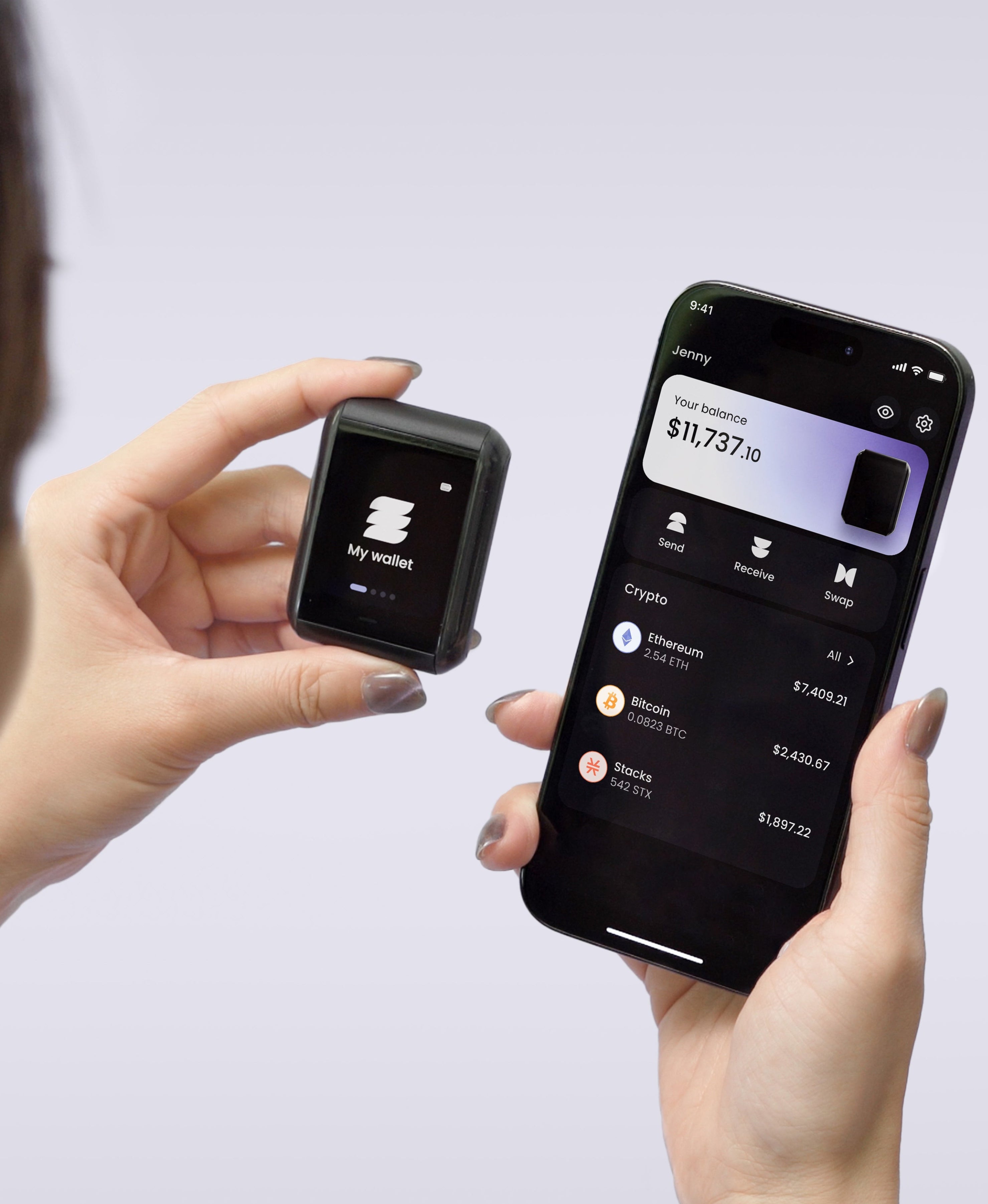
The barrier CZ named is the seed phrase. Write it down wrong, lose the paper, or store it carelessly, and self-custody becomes its own risk. TapSafe Recovery removes that dependency. Your backup is distributed across three layers: a Recovery Tag, your phone, and optional Recovery Contacts. No single component gives full access. There is no piece of paper to lose, photograph, or hand over under pressure.
Your hardware wallet keeps your private keys offline. TapSafe handles recovery without the single point of failure. Setup takes 60 seconds. Get your Ryder One here.
If You Have Funds on BitMart or BitMEX
Withdraw now, not later. Here are the key deadlines.
BitMart: Complete identity verification and close all trading positions before 01:00 UTC on August 26, 2026, and submit withdrawal requests before 05:00 UTC on August 26, 2026. Anything after that goes through a separate processing procedure with no guaranteed timeline. BitMart warns it will never charge an expedited withdrawal fee or ask for your password, two-factor codes, private keys, or recovery phrase. Anyone who does is a scammer.
BitMEX: Users must close all open positions and withdraw funds before the September 23, 2026 shutdown date. BitMEX has urged all users not to wait until the final days.
FAQ
Is my crypto safe if an exchange shuts down? It depends on the exchange. A regulated, solvent exchange running an orderly wind-down should allow full withdrawals. But as BitMart showed, withdrawal processing can slow significantly after an announcement, and delays create risk. The only way to remove exchange risk entirely is to move your crypto to a hardware wallet you control.
What is the difference between an exchange shutting down and an exchange getting hacked? Both can result in loss of access to your funds, but through different mechanisms. A shutdown gives you a window to withdraw. A hack may give you no warning at all. BitMart itself was hacked for $196 million in 2021. Neither scenario affects funds held in a hardware wallet.
How do I move my crypto off an exchange? Create a wallet, get your receiving address, and initiate a withdrawal from the exchange to that address. With Ryder One, your receiving address is visible in the app and every transaction is confirmed on the device. Setup takes 60 seconds.


Share: