

MetaMask shipped Transaction Shield in 2026, an AI-powered layer that simulates the outcome of a transaction before the user signs it and warns about suspicious patterns. The feature is a good step forward. The underlying defense it provides catches a real class of attacks. The failure modes are worth understanding too, because they're where the next generation of drainer attacks will focus. This piece walks through what a transaction simulator does, what categories of attack it catches well, and what categories slip past it.
What a transaction simulator does
A transaction simulator runs the proposed transaction in a sandboxed environment before signing, then reports the expected outcome to the user. The simulator can answer questions like: which tokens will leave my wallet, which addresses will receive them, will any approvals be granted, will any signatures delegate authority to a contract? The user sees the simulated outcome alongside (or instead of) the raw transaction data. The technique isn't new. Tenderly and other developer tools have offered transaction simulation for years. What changed in 2026 is consumer-grade integration. MetaMask Transaction Shield is the most visible example: an AI-augmented layer that runs the simulation, applies pattern recognition to the outcome, and shows a plain-language warning when something looks wrong. Browser extensions like Pocket Universe and Wallet Guard provide similar functionality with different UX.
What simulators catch well
Three categories of attack land squarely in what simulators are good at. Unlimited approvals get caught. A drainer's most common payload is an approval transaction that grants the attacker's contract permission to move an unlimited amount of a token from the user's wallet. The simulation sees the approve() call with the max amount and the unknown spender address, and the simulator flags it. Suspicious destinations trigger warnings too. If the transaction will move tokens directly to an address known to be a drainer or freshly created with no history, the simulator flags it. Reputation databases for known bad addresses (Chainalysis, TRM Labs, Forta) feed into these checks. The third category is intent mismatch. If the user thinks they're approving a swap on Uniswap but the transaction is going to a different contract, the simulator surfaces the mismatch. The user sees "this transaction will send your USDC to 0x...d3f4" instead of the expected swap outcome. For these categories, simulators are a useful defensive layer. They catch a substantial fraction of generic wallet drainer attacks before the signature goes through.
What simulators miss
Three categories slip past simulators consistently, and each one is where attackers have been focusing their attention in the past year. Signature-based attacks that don't trigger on-chain immediately are the first category. Wallet drainers have shifted toward EIP-712 signatures, gasless signature delegations, and permit-style approvals that don't appear as transactions until the attacker chooses to use them. The simulator can examine the signature payload, but if the payload is technically valid (a permit for a token, for example), the warning depends on whether the simulator recognizes the attack pattern in the signature. New patterns slip through until the simulator's rules catch up. Address substitution at the application layer is harder still. Malware on the user's machine can compromise the wallet UI itself: a malicious browser extension, a hijacked DNS, a corrupted DApp. The simulator gets fed false information about what transaction is being proposed and reports correctly on the transaction it sees, except the transaction it sees isn't the one the user intended. The hardest category to defend against is plain social engineering. If the user has been convinced to send funds to an attacker's address willingly through a romance scam, a fake support flow, or a coerced transfer, the transaction is benign from a simulator's perspective. The funds are being sent, the user authorized it, and there's nothing for the simulator to flag.
Where hardware wallets cover what simulators don't
The class of attack simulators miss is largely the class hardware wallets defend against differently. For address-substitution attacks at the application layer, on-device verification on a hardware wallet shows the actual transaction details on a screen the host machine can't draw to. Malware can compromise the laptop's screen and the simulator's input, while the address on the hardware wallet's display remains the address being signed. If the addresses don't match, the user catches the substitution at the moment of signing. Signature-based attacks face a related defense. On-device readable signature payloads let the user see what they're signing in plain terms. The EIP-712 signatures that drainers exploit have human-readable fields when decoded properly, and a hardware wallet displaying those fields shows the user the structured permit being signed. Social engineering is where technology runs out. No tool can fully defend a user who has decided to send funds. What a hardware wallet does is add a deliberate physical step (button press on a separate device) that often interrupts the social engineering pressure and gives the user a moment to reconsider.
The stack that works in 2026
The strongest defense against the current generation of drainers combines all three layers: - Transaction simulators catch the generic patterns at the wallet UI. They're free, ship by default, and handle most broadcast-style attacks. - Hardware wallets with on-device verification catch the targeted attacks that compromise the wallet UI. They show the truth even when the laptop is lying. - Operational discipline catches what neither technology can address: don't sign things you didn't initiate, verify URLs through known-good channels, treat unsolicited DMs as suspect. Each layer covers a different attack surface, and skipping any of them creates a gap the next generation of drainers will probe.
Ryder One's role in the stack
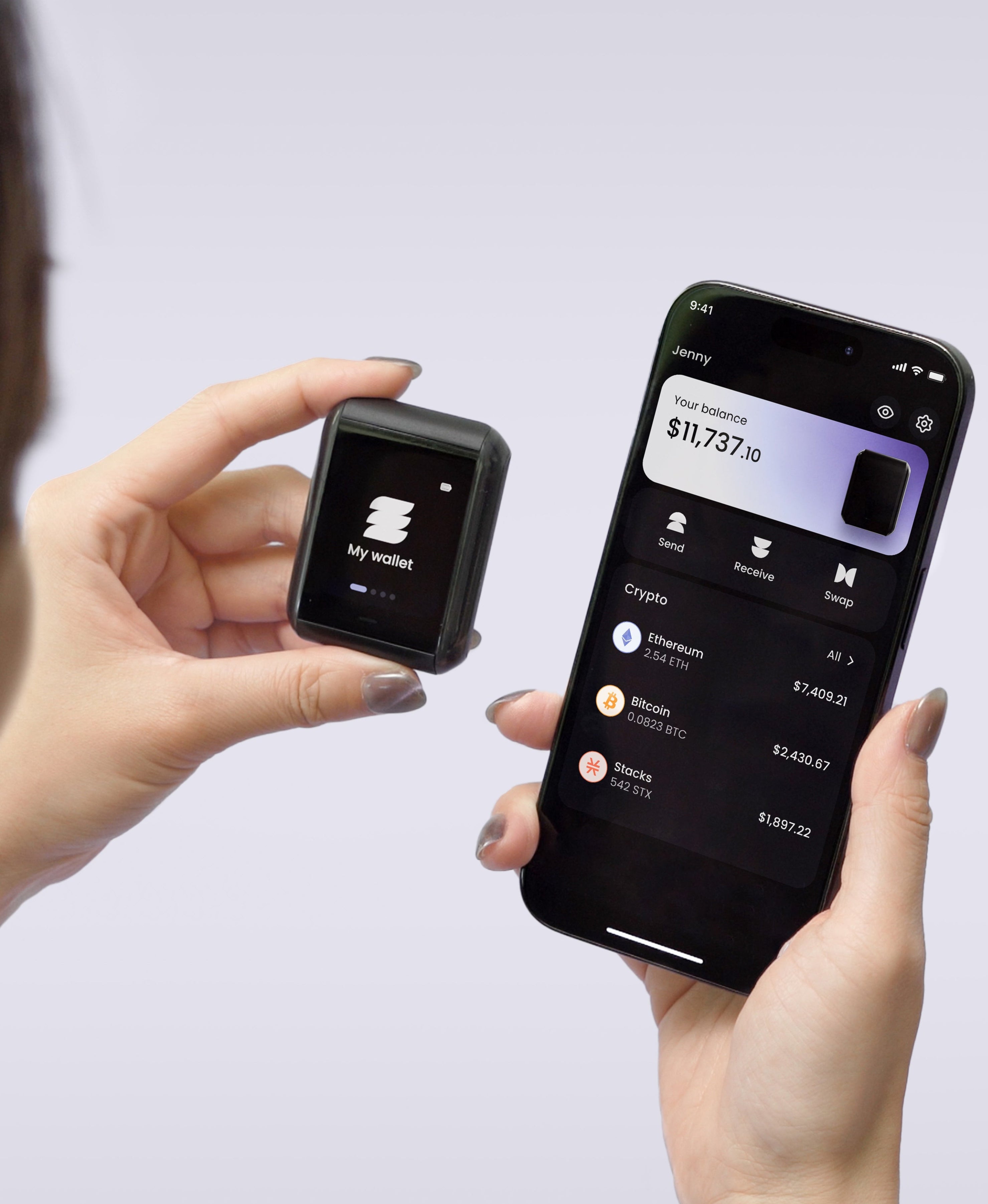
Ryder One is the hardware-wallet layer. Every transaction is verified on the 1.6-inch AMOLED touchscreen, with the physical button wired directly to the EAL6+ Infineon SLC38 secure element. The signature can't happen without your deliberate button press, and the transaction details on the device's screen are the ones being signed. For users running a simulator-equipped software wallet for daily DeFi activity, pairing it with Ryder One for storage and high-value signing creates the full stack. The simulator catches the generic patterns; the hardware wallet catches what slips through. TapSafe Recovery handles the backup side independently: 50% on the Recovery Tag, 50% in your phone's iCloud or Google Drive backup, optional 25% per Recovery Contact.
The bottom line
Transaction simulators are a useful new defense, and the AI-powered versions shipping in 2026 catch attacks that would have succeeded a year earlier. They aren't a complete solution. Attackers have already started designing around them, and the categories of attack simulators miss are the ones a hardware wallet with on-device verification handles directly. The strongest setup combines both layers. Use a simulator-equipped wallet for daily activity, use a hardware wallet for the positions you're storing and for the signatures that matter most, and apply operational discipline to fill the gaps neither technology can cover. That's the defense that holds up against where wallet drainers are heading.
Sign what you can see, on a screen that doesn't lie. Ryder One shows every transaction on its own display, with the physical button wired directly to the EAL6+ secure element. The host machine doesn't get to draw what you're signing. See how it works.



Share: