

Stablecoin supply shrank by 14.2 billion USD over the 30 days to 10 November 2026, the fastest contraction since June 2022, according to Glassnode. For most holders the useful question is where the dollars they've parked in crypto should sit while the market waits for buyers to come back, since a price call on the next move is out of anyone's hands. If you keep stablecoins on an exchange, they're a claim on that exchange; if you hold them in your own wallet, they're yours to move, though the issuer still has some control over the token itself.
We make a hardware wallet, so we come at this from the custody side. Nothing here is a prediction about Bitcoin's price or advice to buy or sell any asset.
What the stablecoin numbers show
Glassnode's weekly on-chain report of 11 November put the 30-day drop at 14.2 billion USD and noted that US spot Bitcoin ETFs saw 1.6 billion USD of net outflows over the previous 20 trading sessions. The Block reported that USDT and USDC made up nearly 11 billion USD of the decline, and that the 30-day drop in June 2022 came close to 30 billion USD, so this month is smaller in dollars, even if the pace is the quickest in over four years.
Stablecoins are the cash that sits ready inside crypto, so when supply falls, it usually means people are redeeming tokens for bank dollars and leaving. Glassnode framed a return to supply growth as the first sign of new money arriving. Bitcoin, meanwhile, slipped below 75,000 USD this week, and Glassnode gave its report the title "Running on Empty."
Why this matters if you hold dollars in crypto
Plenty of people keep a stablecoin balance on an exchange as dry powder, waiting for a better price. That's a reasonable plan, and it's worth knowing what kind of asset you hold while you wait. A balance on an exchange is a number in that company's ledger. You're relying on the exchange to stay solvent, keep processing withdrawals and keep your account open, which most of the time it does. When things get stressed, though, withdrawals can slow or pause, and that tends to happen when you'd most like to move.
In your own wallet, the tokens sit at an address you control, and no exchange stands between you and a transfer. You still face issuer risk, since a stablecoin is only as good as the reserves behind it, and we covered what that looks like in our piece on USDC's bad weekend. Issuers can also freeze tokens: Circle's USDC terms let it block addresses, and Tether's terms let it freeze USDT, usually in response to legal orders or suspected crime. Self-custody removes the exchange from the picture while leaving the issuer in it.
If you're choosing between the two big tokens, our USDC vs USDT guide walks through reserves, freezing policies and which networks each one runs on.
How to hold stablecoins yourself
Moving stablecoins off an exchange is like moving any token, with one extra thing to watch: the network. USDC and USDT both exist on several blockchains, and you need to send them on a network your wallet supports. Sending USDT on a network your wallet doesn't support can leave the funds somewhere you can't reach, so match the network in the exchange's withdrawal screen to the one your wallet shows.
On Ethereum and Solana you'll also need a little ETH or SOL in the same wallet to pay network fees when you move the stablecoins later. Send a small test amount first, confirm it arrives, and then send the rest. Keep a trading float on the exchange if you plan to buy soon, since every transfer back costs a fee and a little time.
Where Ryder One fits
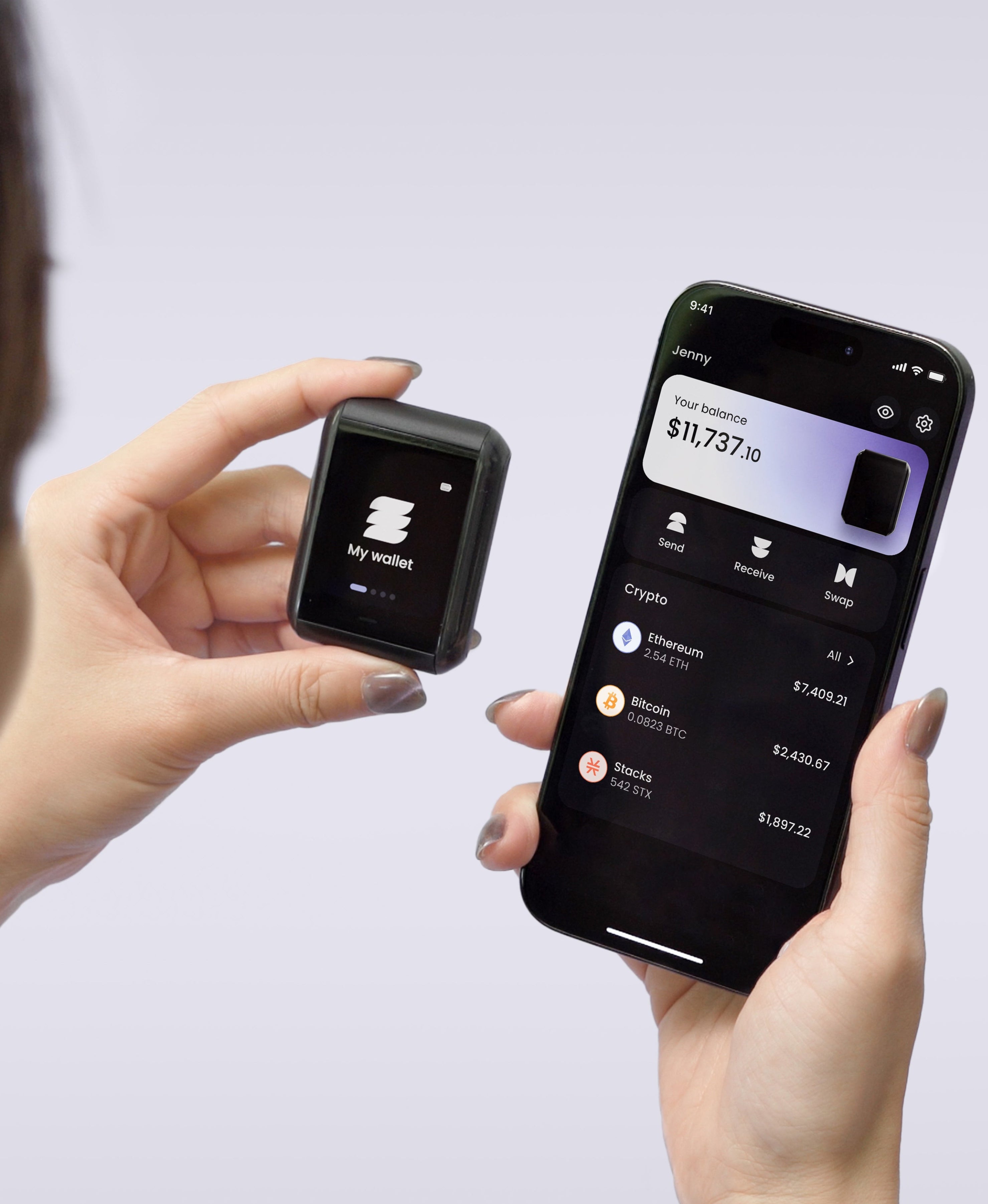
Ryder One supports USDC and USDT on both Ethereum and Solana, as listed on our supported coins page, alongside Bitcoin, ether and SOL. The keys stay inside the device's secure element, and every transfer shows the amount and recipient on its screen before you approve it, which matters when you're moving a stablecoin balance that might be most of your crypto savings. Recovery runs through TapSafe, with the seed phrase available on the device as a last resort. If you're waiting out a slow market with dollars in crypto, Ryder One is one way to wait with them under your own control.


Share: