

The New York Stock Exchange picked Avalanche technology on 9 November 2026 to run clearing and settlement for its planned tokenized securities platform, but the chain will be a private, permissioned ledger built for the exchange, so you won't be moving NYSE-traded stock tokens into a personal wallet any time soon. The launch date, the custodian and whether retail investors can hold the tokens themselves are all still unannounced, which means the honest answer to "who holds the keys" is: the exchange's partners, for now.
We make a hardware wallet, and Ryder One doesn't support AVAX or tokenized stocks, so we have no product stake in this one. We're covering it because the question of who controls tokenized assets is the same question every crypto holder already faces.
What NYSE announced
According to CoinDesk's report, Avalanche will supply the ledger technology for the clearing firm behind an NYSE-affiliated trading system. Trades will run through NYSE's existing Pillar matching engine, while clearing, settlement and custody move onto the blockchain. The exchange will run its own custom chain built with Avalanche's technology, separate from Avalanche's public network, and stocks issued on other blockchains are meant to connect to it for settlement.
The stated goals are trading around the clock, instant settlement and funding with stablecoins, all of which still need regulatory approval. This had been coming for a while: in September, NYSE's parent company ICE was reported to be evaluating Avalanche with no deal signed, and Ava Labs said the selection followed more than a year of review. The AVAX token rose about 8% on the news.
Public chain or private chain: why it matters
On a public chain like Bitcoin or Solana, anyone can hold a token in a wallet they control, and moving it doesn't need anyone's permission. A permissioned ledger works the other way round, because the operator decides who can join, who can hold assets and which transfers go through.
For a regulated stock exchange that's a reasonable design, since securities laws require knowing who owns what, and the exchange needs to reverse errors and follow court orders. It also means that a tokenized share on the NYSE platform will likely behave more like a faster brokerage position than like a coin in your own wallet, at least at launch.
Can you hold tokenized stocks in self-custody?
Some tokenized stock products already exist on public chains. Kraken's xStocks, for example, issue tokenized equities on Solana that can sit in compatible wallets, with their own rules about who can buy and redeem them. The NYSE design is different: nothing announced so far says retail investors will be able to withdraw tokens to a personal wallet.
So if 24/7 trading and instant settlement arrive, expect them inside an account with a broker or exchange. Self-custody of tokenized stocks may come later through bridges to public chains, and when it does, the same trade-off will apply as with crypto today: you'd gain direct control and take on the backup and the risk of mistakes.
What it means for your crypto today
The NYSE news doesn't change how you should hold the crypto you already own. Stocks, tokenized or not, will keep sitting with regulated intermediaries, while coins like Bitcoin, ether and Solana can sit with you. If you want direct control over part of your holdings, self-custody of native crypto is available now, and a hardware wallet keeps the keys offline.
Where Ryder One fits
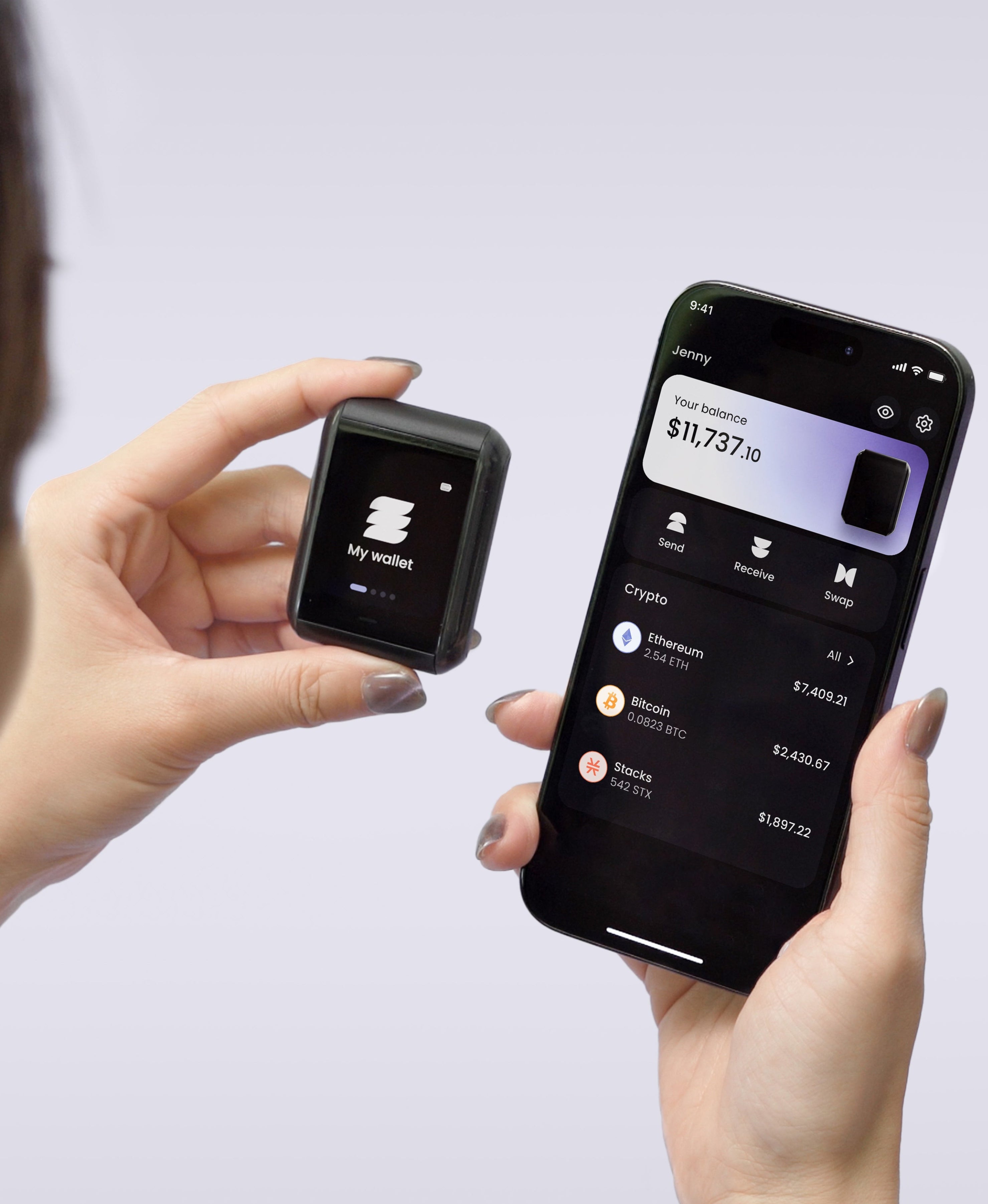
Ryder One supports Bitcoin, Ethereum and Solana along with ERC-20 and SPL tokens, which covers the assets most exchange holders start with; it doesn't hold AVAX or NYSE tokenized securities. Keys are generated inside its secure element, and backup runs through TapSafe, split between a Recovery Tag and an encrypted piece in your iCloud or Google Drive. If tokenized stocks reach public chains and Ryder adds support, we'll say so on our product page rather than here.


Share: