

- by Ryder Team
What Is a Hot Wallet?
- by Ryder Team
A hot wallet is a crypto wallet connected to the internet, which makes it convenient but more exposed to online threats.
A simple analogy is cash in your pocket. It is fast to use, but if someone picks your pocket, it is gone. Hot wallets are great for spending and frequent use, but they should be treated like everyday money, not long-term savings.
Hot wallets are usually software wallets, like mobile apps or browser extensions. They store or access private keys on an internet-connected device, and they sign transactions through the app.
Hot wallets are popular because they:
But because they live on an online device, risks go up:
For many people, the safest setup is a split: keep a small spending amount in a hot wallet, and keep long-term holdings in a cold wallet.
Most real-world losses happen in hot wallet contexts, because attackers target the internet-facing layer. Understanding hot wallets helps you decide what belongs online and what should move offline.
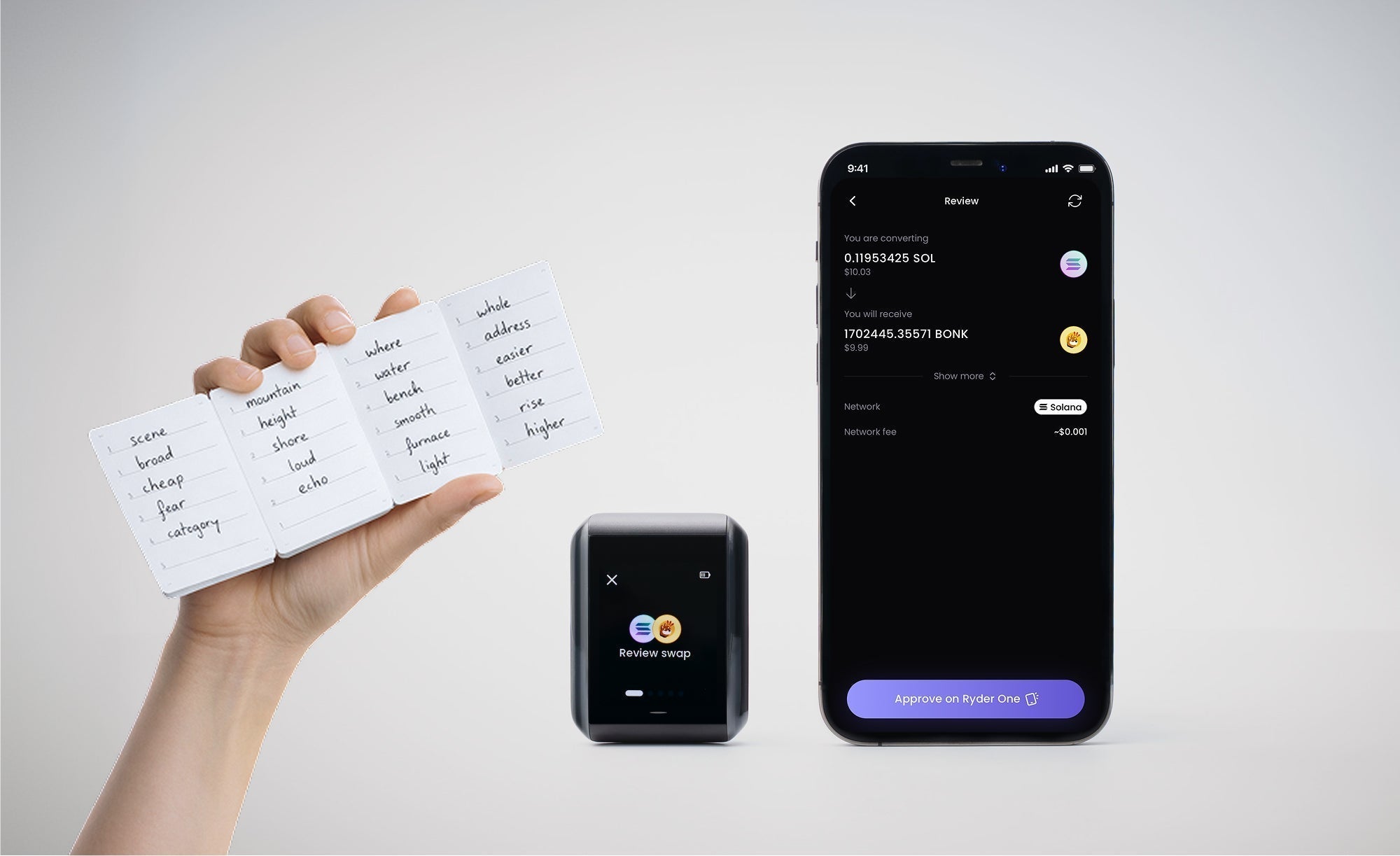
Ryder One is designed to move signing and key storage into secure offline hardware, so you can keep bigger balances out of hot-wallet risk.
We make self-custody simple. Set up in 60 seconds for a lifetime of stress-free crypto security.
Related: What is a cold wallet · What is a hardware wallet · What is a private key · What is self-custody
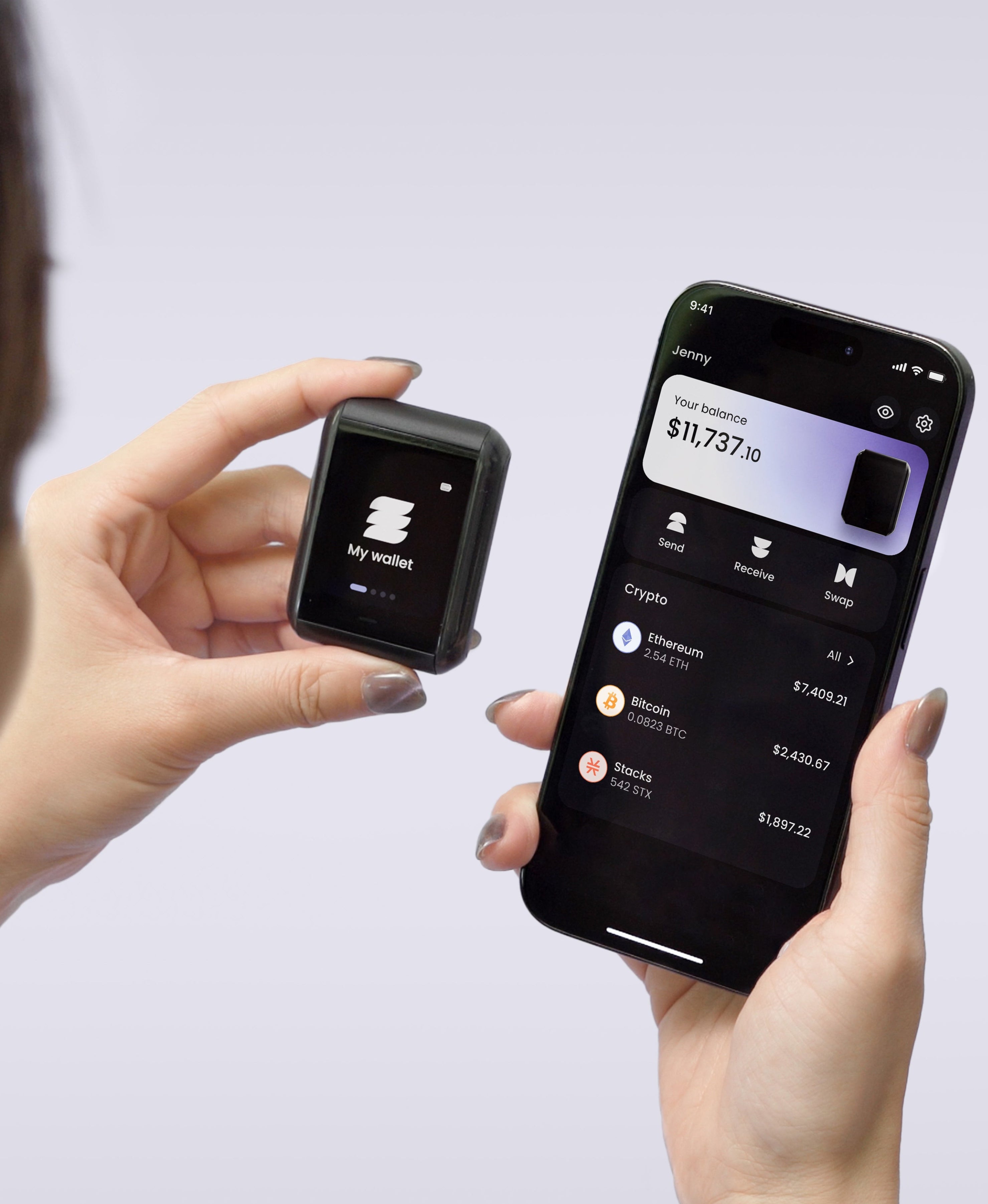
The only crypto wallet you can install on a crowded subway.
Set it up in less than 60 seconds and just tap your phone to send, swap, and recover.

Share: