

Self-custody in crypto is the purest form of ownership. There is no bank acting as intermediary, no institution holding your assets on your behalf, and no permission required to move your funds. You are fully in control. Instead of trusting a third party, you hold your own private keys and take responsibility for their protection.
That freedom, however, comes with a reality many users underestimate. In self-custody, there is no safety net. If something goes wrong, there is no support team to reverse a transaction, no password reset, and no way to recover funds once access is lost. This is not meant to be alarming, but it is fundamental to understanding how crypto security actually works.
Fact: Human Error Is the Primary Cause of Crypto Loss
When people think about crypto theft, they often imagine sophisticated hackers exploiting obscure technical vulnerabilities. In practice, the vast majority of losses are far less complex. They stem from human error. Phishing links that look legitimate, fake support agents impersonating wallet providers, malicious websites designed to mimic real interfaces, or simple mistakes made while approving transactions.

According to a report from Chainalysis, the cryptocurrency industry saw close to $3.5 billion in theft from January through early December 2025, with the February compromise of Bybit alone accounting for $1.5 billion of that total.
Once a private key or recovery method is compromised, the blockchain does not distinguish between a malicious attack and an honest mistake. Transactions are irreversible by design. This is why understanding the real sources of risk is more important than understanding advanced cryptography.
The Seed Phrase Problem
For years, the industry has relied on a single recovery standard: the 12 to 24-word seed phrase. This phrase is the master key to a wallet. Anyone who has it can access the funds it protects. If it is lost, access to the wallet is lost permanently.
While the concept is simple, the execution is fragile. Many users store seed phrases digitally, take photos of them, or rely on cloud backups without realizing the exposure this creates. Others write them down on paper, which can be misplaced, damaged, or stolen. Under stress or during life changes, even careful users can make irreversible mistakes. What was intended as a security measure has become one of the most common points of failure in self-custody.
Why Long-Term Holders Use Hardware Wallets
Software wallets, whether mobile or browser-based, are designed for convenience. They remain connected to the internet, which makes them practical for daily interactions but also exposes them to malware, phishing attempts, and compromised devices. For this reason, experienced users avoid keeping significant amounts of crypto in hot wallets.
Hardware wallets address this problem by keeping private keys offline. Transactions require physical confirmation on the device itself, which prevents most remote attacks. This makes hardware wallets the standard choice for long-term storage. However, traditional hardware wallets still rely heavily on the same seed phrase model, preserving a critical weakness.
Security Systems Built on Perfect Behavior Fail in Real Life
Traditional hardware wallets solve online exposure but assume something unrealistic: that users will protect a seed phrase perfectly for decades without error. In reality, people move, travel, lose items, change phones, and experience unexpected events. A security system that depends on flawless behavior eventually fails, not because users are careless, but because life is unpredictable.
This gap between theoretical security and real-world behavior is where many otherwise secure setups break down. As a result, the industry has begun exploring ways to design self-custody systems that remain secure even when mistakes happen.
The Shift Toward Human-Resilient Self-Custody
Modern self-custody is moving away from single points of failure and toward systems that acknowledge human behavior. New approaches aim to reduce the consequences of individual mistakes while preserving user control. These include multi-part recovery methods, cryptographic splitting techniques, and recovery models that do not rely on a single secret stored in one place.
The goal is not to weaken security, but to make it resilient. Security that works only under ideal conditions is not practical for most people.
How Ryder Approaches Wallet Security Differently

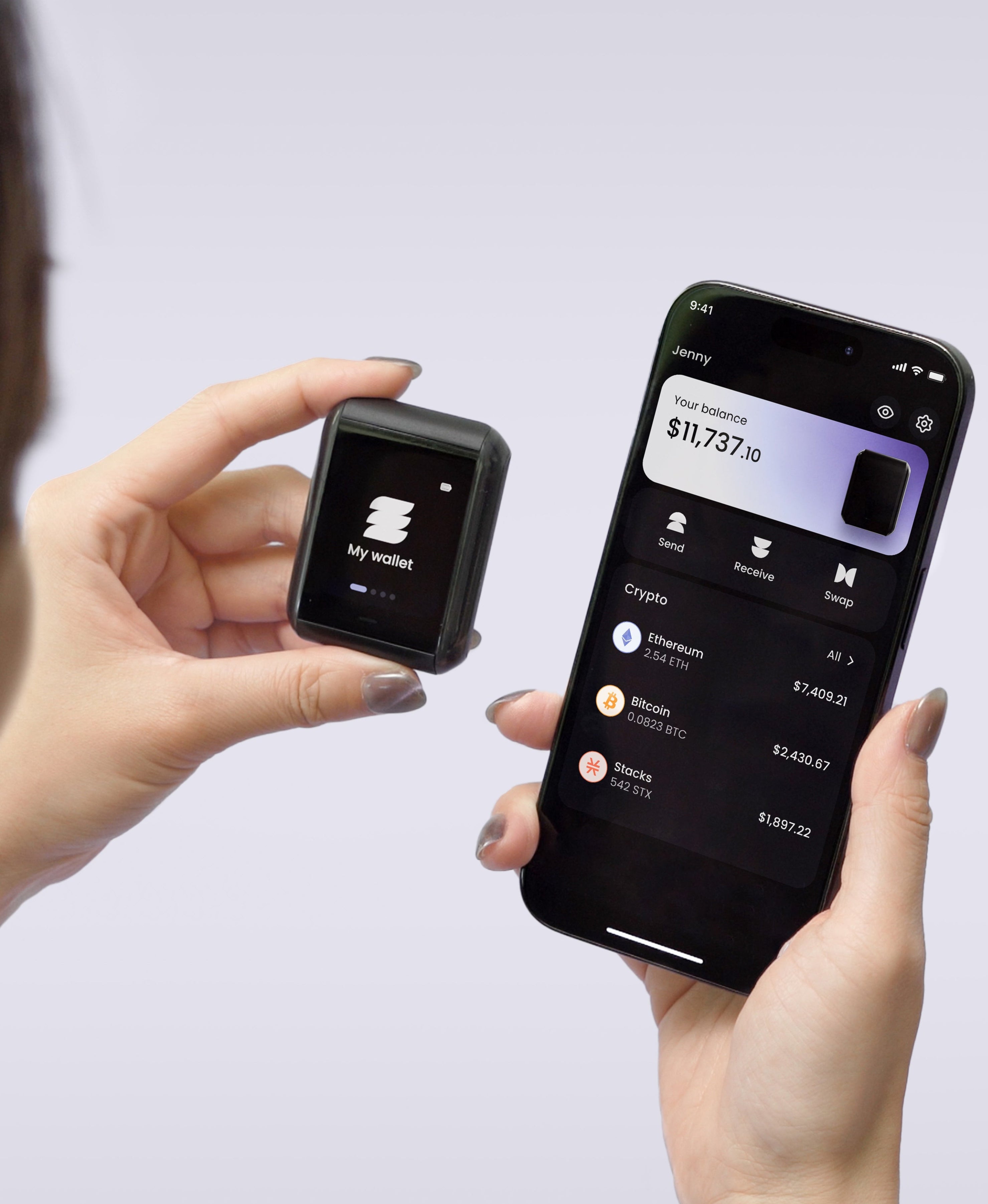
Ryder One was designed with this shift in mind. Instead of relying on a single seed phrase, Ryder One uses a recovery system called TapSafe, built using Shamir Secret Sharing. Rather than storing one master secret, recovery information is split into multiple encrypted parts.
These parts can be distributed across different locations and formats, such as phones, physical Recovery Tags, or Recovery Contacts. Recovery requires a subset of these pieces, meaning that losing one does not compromise access or security. This structure removes the single point of failure that defines traditional seed phrase backups.
Verifiable Security, Not Just Simplicity
Ryder One and TapSafe is fully open-source and has been audited by Halborn. Private keys remain offline at all times, and recovery is designed to function even if a user loses their device, their phone, or both. This is not a convenience replacing security, but a security model designed around real-world usage rather than idealized assumptions.
By removing the need for paper backups, screenshots, and manual storage rituals, Ryder reduces the most common ways users unintentionally expose themselves to risk.
A More Practical Future for Self-Custody
Seed phrases played an important role in the early days of crypto, but they are no longer the only option. The ecosystem is evolving toward solutions that balance strong cryptographic security with usability that reflects real life. Ryder One is hardware-level security without fragile recovery assumptions. For users who want control without unnecessary stress, modern self-custody is no longer about doing more, but about doing fewer things wrong.
Crypto ownership is unforgiving. Sending funds to the wrong address, approving a malicious transaction, or losing access credentials leads to permanent loss. There is no recourse and no recovery process once control is lost.
For this reason, effective self-custody is less about technical sophistication and more about eliminating avoidable risks. Systems that minimize reliance on human perfection are better suited to long-term ownership.



Share: