Ryder One Stories | Dayana Aleksandrova: From Traditional Marketing to Crypto Nomad
by Nisheta Sachdev
Meet Dayana Aleksandrova, New Media Lead at WalletConnect. With years of experience in traditional marketing, Dayana built her career mastering brand storytelling, digital campaigns, and growth. However, three years ago, everything changed. Through the SheFi community, she stepped into the world of web3 and never looked back.
Like many professionals transitioning into crypto, Dayana was drawn in by the promise of ownership, decentralization, and global opportunity. Today, she works as a digital nomad in one of the fastest moving and most international industries in the world. But with that freedom came a challenge she did not expect: self-custody.
The Reality of Self-Custody
Self-custody means you are your own bank. You hold your own keys. You control your own assets. No intermediaries. No safety net. No undo button.
On paper, that sounds empowering. In practice, it can feel overwhelming.
The rules alone are enough to make anyone second guess themselves. Do not store your seed phrase on your phone. Do not keep it in your notes app. Do not email it to yourself. Do not send it on WhatsApp. Do not share it with friends or family. Do not store it anywhere public. Never reveal it, even if someone asks. Beware of scammers. Double check websites. Be careful what you sign.
It is a long list of precautions for technology that is still evolving and often unforgiving. For someone constantly on the move, working across time zones and countries, this creates friction. Where do you store your recovery phrase when you do not have a permanent home? How do you balance security with convenience?
For Dayana, self-custody initially felt daunting, frustrating, and frankly inconvenient.
A Nomad’s Dilemma
Most of us in crypto are digital nomads. We live lightly, change cities, countries, and even continents. Traditional security advice often assumes stability: a home safe, a secure drawer, a predictable routine. That does not align with a fast-paced lifestyle built on mobility.
Carrying a single recovery phrase while traveling can feel risky. Leaving it behind can feel worse. Splitting attention between work, travel logistics, and constant vigilance around security adds mental load to an already demanding lifestyle.
So how can someone like Dayana practice safe self-custody without compromising her freedom?
Recovery That Fits the Lifestyle
That is where Ryder One comes in.
Ryder One uses TapSafe Technology to transform how recovery works. Instead of relying on a single, fragile seed phrase stored in one place, recovery is divided into multiple secure pieces. These pieces can be distributed across locations, trusted individuals, and personal devices.
For a global citizen like Dayana, this changes everything.
She can scatter recovery components across the world, aligning security with her travel patterns rather than fighting against them. She can carry part of her recovery with her while knowing other pieces are safely stored elsewhere. It is a system designed to adapt to real life, not force users into rigid routines.
Self-custody should not feel like a burden. It should feel empowering.
For Dayana, the shift was clear. With a recovery model that matches her mobile lifestyle, she no longer has to choose between freedom and security. She can fully embrace web3 while protecting what matters most.
And that is how self-custody starts to feel less like a risk and more like true ownership.
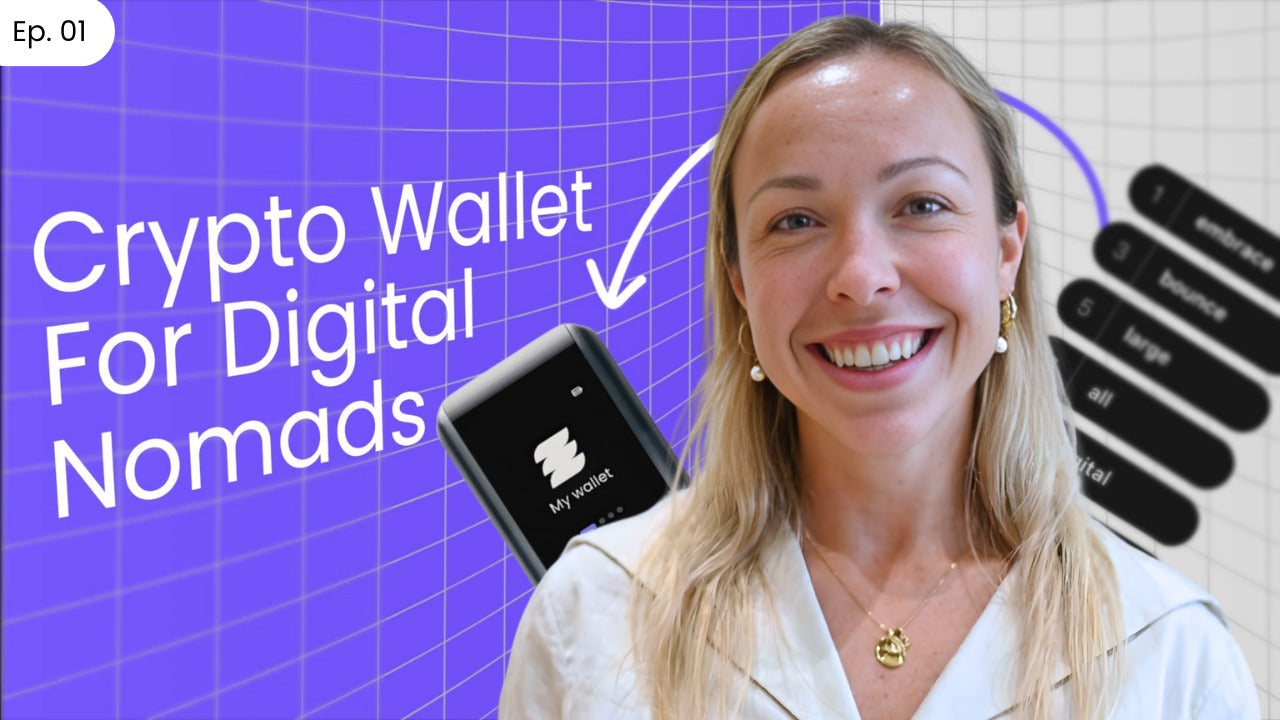
Premier the full interview with Dayana and experience the raw takes of unboxing her first Ryder One here:
Most of us in crypto are digital nomads. We live lightly, change cities, countries, and even continents. Traditional security advice often assumes stability: a home safe, a secure drawer, a predictable routine. That does not align with a fast-paced lifestyle built on mobility.
We won the Ignyte Startup Pitch Competition in partnership with Solana, held at the Museum of the Future in Dubai in collaboration with the Dubai Government.


Share: